Samyang F2.0/135mm applied to Astrophotography
For astrophotography, there is a need for just about every focal length! You generally start with a “big” scope and a long focal length to image small galaxies or nebulas, but you always end up being fedup
with making mosaïcs of large objects and wanting a shorter focal length to take widefield pictures. It is this logic which drove me to purchase a Samyang F2.0/135mm lens. With my ASI6200MC fullframe sensor, it gives me a field of view of about 15° by 10° making it ideal to image parts of the milky way or contellations. This lens is a good complement to my current 1560mm,300mm and 40mm focal length setup. Apart from tiny object such as very small planetary nebulas, I got equipment to do it all!
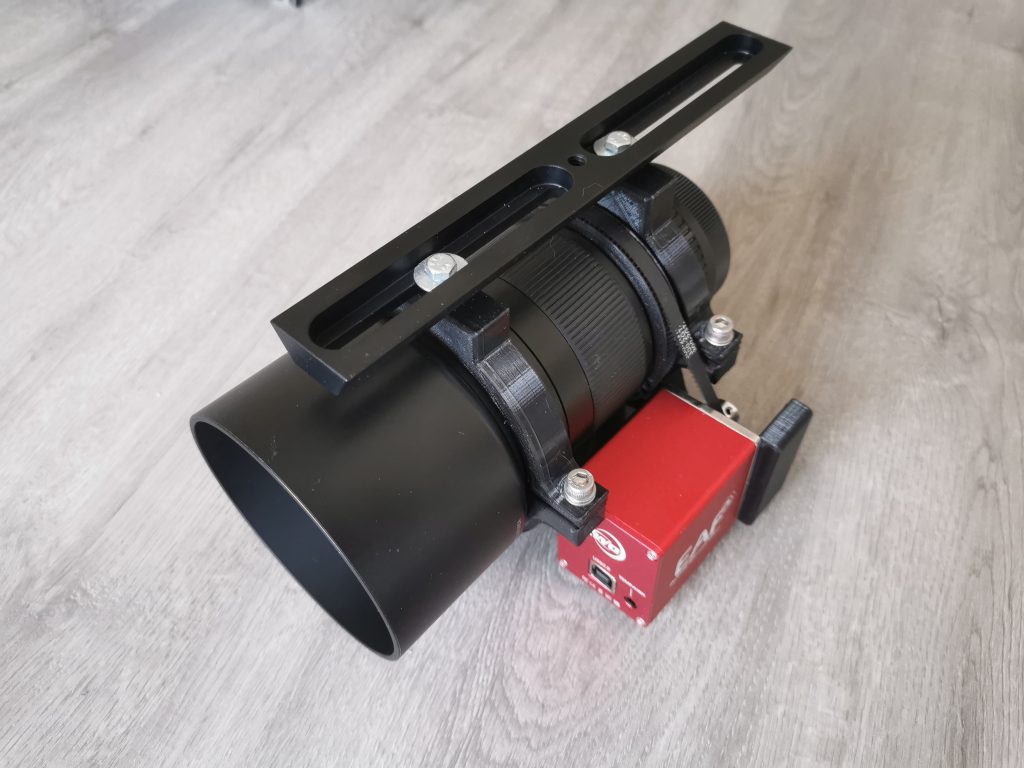
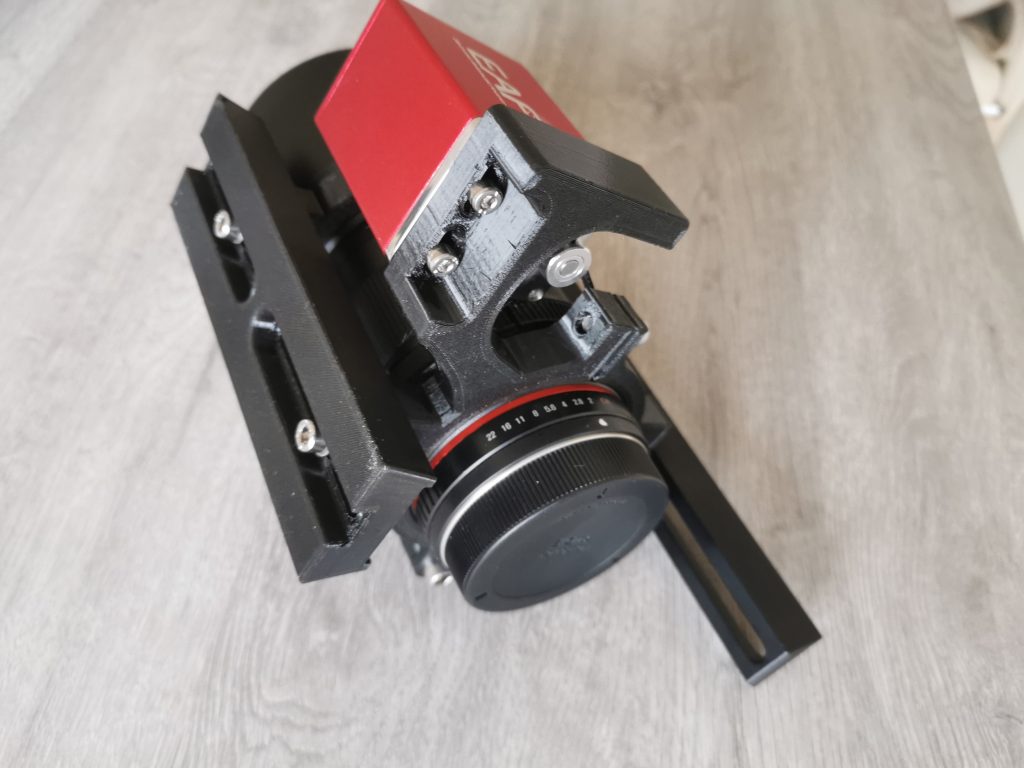
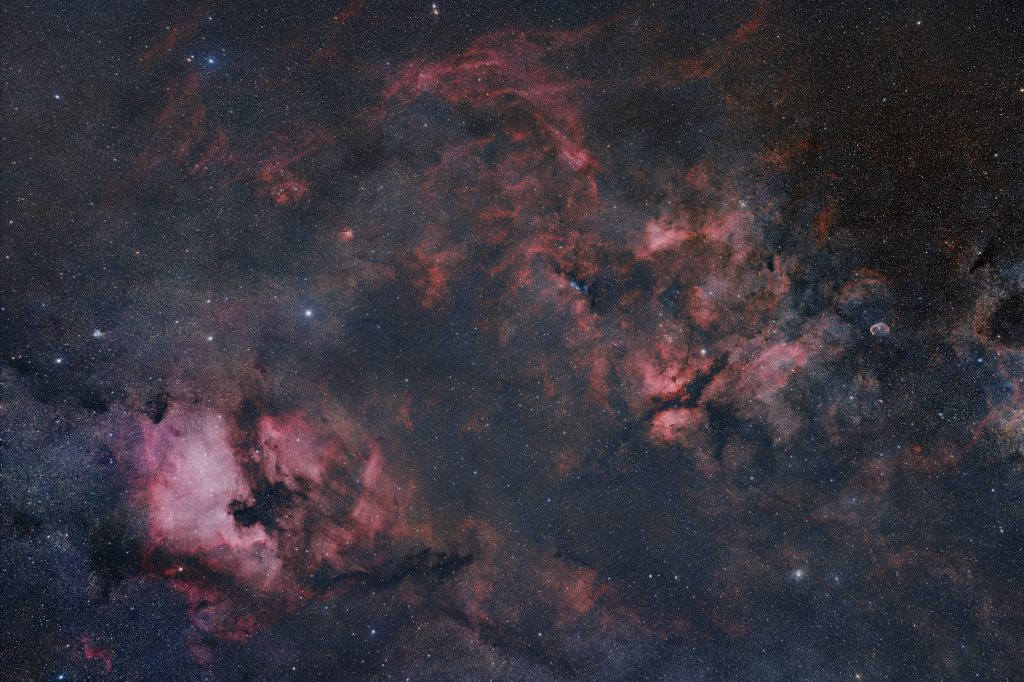
Also, independantly from optical quality, what’s great is that you can purchase an EAF kit for an autofocuser. https://www.astroshop.de/fr/adaptateurs/astroprints-kit-de-montage-du-moteur-eaf-avec-collier-rail-et-support-pour-chercheur-pour-objectif-samyang-135-mm/p,78136 . True, it is a bit pricey, but it removes the headache of having to focus the lens manually. In my mind, another bonus is that the lens shutter is adjusted anywhere from F2 to F22 manually, so you don’t have to use a DSLR to adjust it. I have taken a pretty good picture of America Nebula region with it:
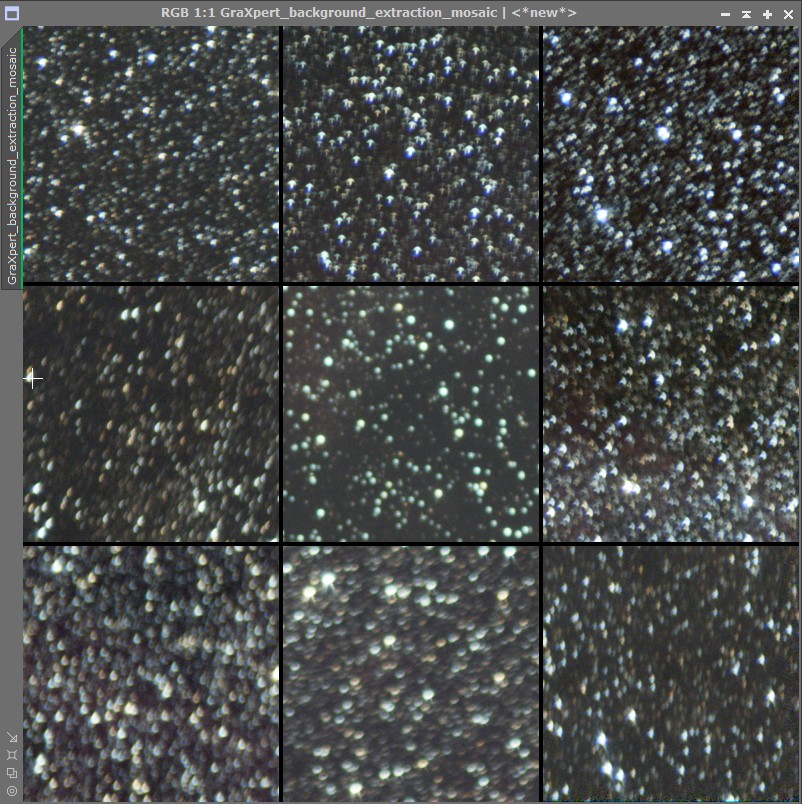
But what do the stars look like across the entire field? The following image is taken (as per usual) at F2.0 and it shows significant sagittal and tangential aberration in the corners. But remember I use a Full Frame sensor, so I am pusshing it a bit… I found that with the appropriate post treatment, this lens works wonders.