How good is the Askar FRA300?
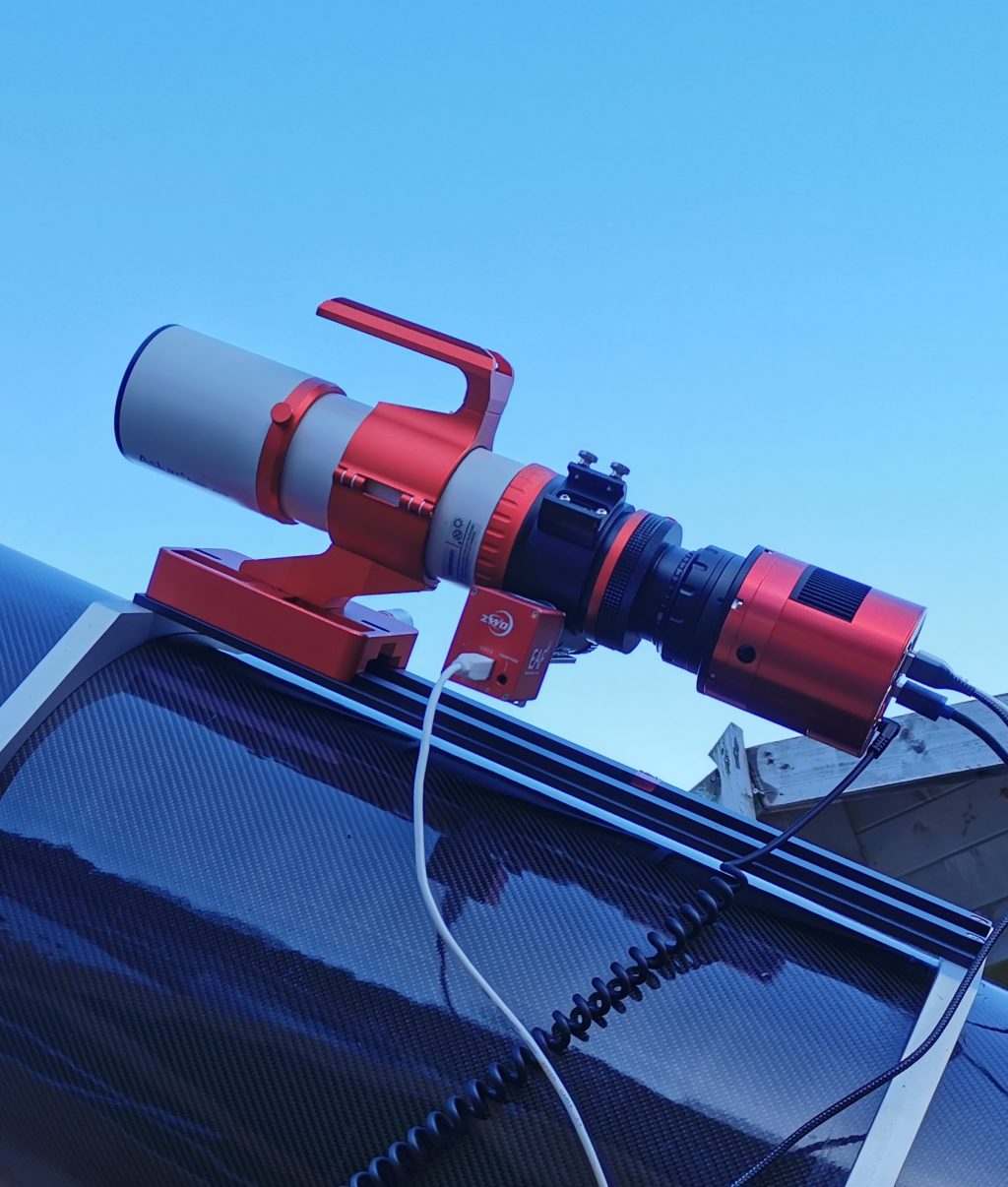
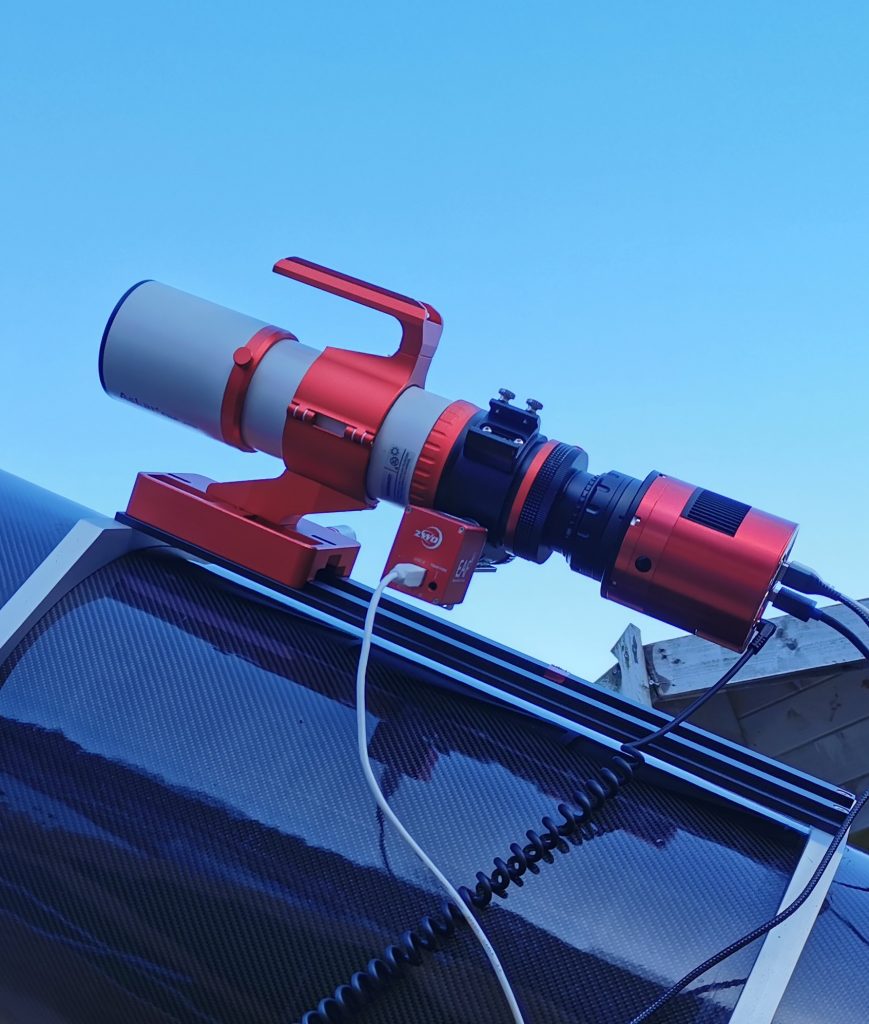
Deep Sky imaging at long focal length is all nice and well for galaxies, planetary nebulas and so on, but what tube to use for large targets? Alot of Chinese lenses are arriving on the market with Askar as the frontrunner. But how good are these Apochromatic lenses really? The Askar FRA300 https://www.teleskop-express.de/en/askar-sharpstar-173/all-apos-and-eds-from-all-manufacturers-large-overview-223/askar-fra300-pro-60-mm-f-5-quintuplet-flatfield-apo-astrograph-14818features a 60mm aperture which makes it open at F/D5. I needed a “fast” short focal length tube after selling my C14 and its hyperstar (now that’s a fast tube!) and I heard good things about this tube. With a full frame sensor such as my trusted Asi6200MC a 300mm focal length gives me roughly a 7° by 4.6° field, making it ideal to photograph large nebulas or large areas of the sky.
A good astrograph needs to have a field as flat as possible with as little chromatic aberration as possible. The FRA300 features a Petzval Quintuplet apochromat lens which promises alot on paper. The question is, is it worth all the hype? To be perfectly honest this is the first apochromat lens I own so I am not able to compare it to any other lenses I owned and used. What I can do, though, is to tell you what I think of it and show you picture I have taken with it.
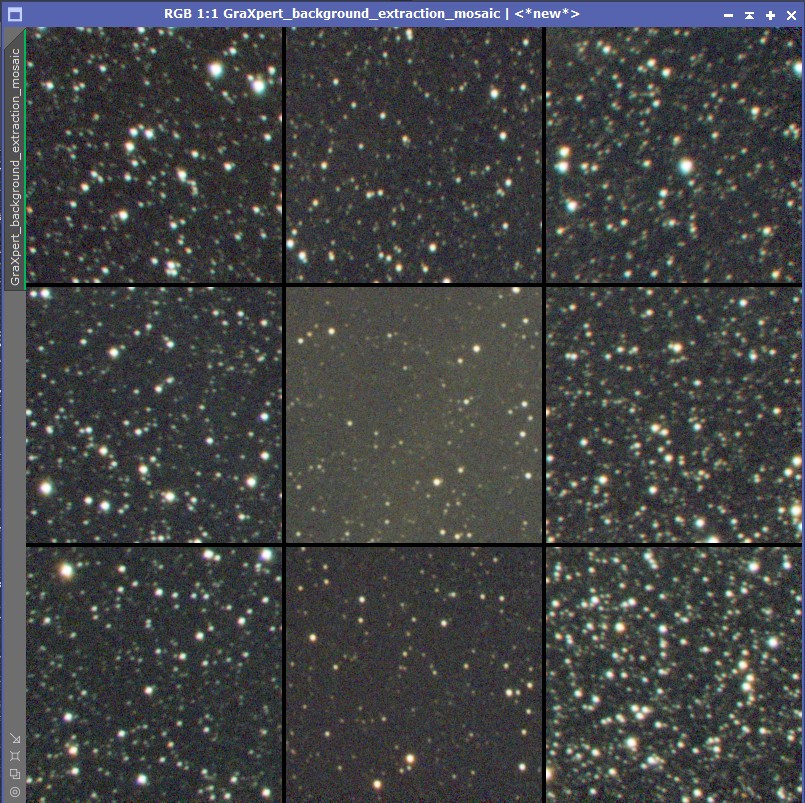
First of, as per usual with my tests, let’s have a look at what image corners look like with that tube. This picture was taken with the Fra300 piggybacked on the larger 350mm Newtonian, used in this case as guidescope. I know using this telescope on a EQ8-Rh mount should not necessitate any autoguiding, but, I am just paranoïd, and because I can, I do autoguide! So, lets look at those corners. First of, all four corners show very similar stars, indicating the tube is well collimated. As for chromatic aberration, if you do look closely there is very little of it, indicating chromatism is very well corrected indeed.
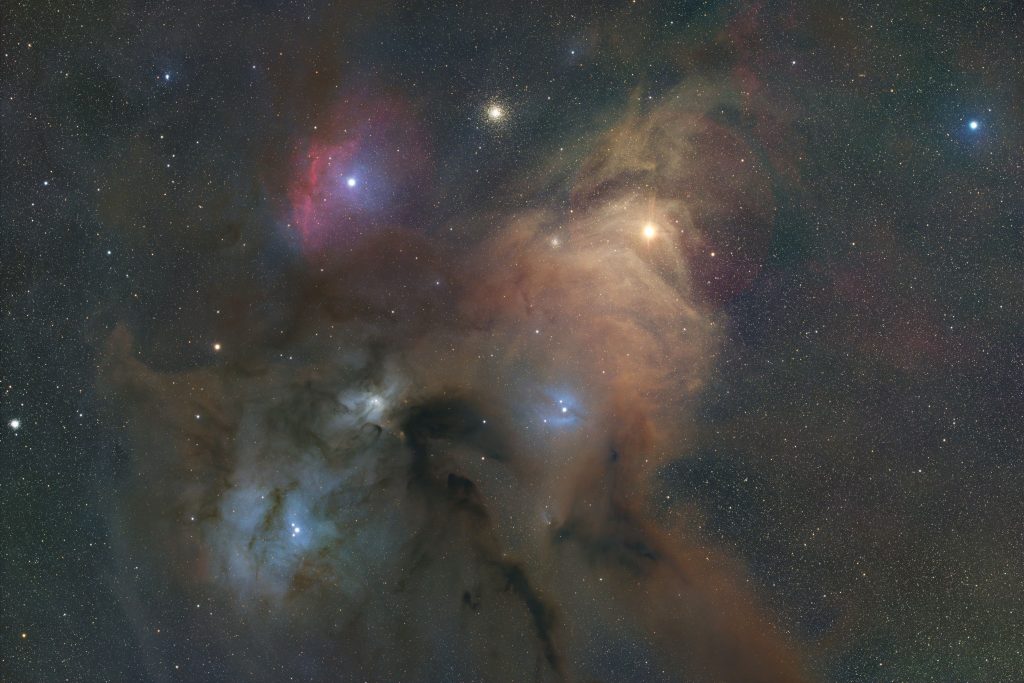
Something worth noting is that while it is possible to use this scope for visual observation, it is impossible to do it from stock configuration. For visual observing, an extender, either in M54 or M48 threads (the scope comes with adapters) as to be used. But, it really is a killer for deepsky astrophotography, and I was amazed on how good it works with a fullframe sensor. To see what it can do, I invite you to check the images taken with this setup: https://c14edgehd.com/gallery/fra300-images/ . If you don’t, still have a look at this Rho Ophiuchi (it’s a killer, told you!):